
Words: Slade Rand
Photos: Courtesy CM
At After Midnight, we take pride in offering exclusive content for those of you who follow along. We have formed many relationships through the circuit we all know, love and experience together.
Without music there would be no community and without community there would not be anywhere to share the stories, rhythms, and glimpses of the ebb and flow of it all.
Thanks to this community, we had the opportunity to speak with Chuck Morris, whose accolades and accomplishments as curator of that same ebb and flow shine through as he tells his side of the story.
Without Chuck’s dedication to opening the dance floor, we very well may have been in a much quieter landscape. We visited Chuck on a snowy day in the middle of the Colorado winter, where we sat down over a warm pot of coffee and got down to the nitty gritty.
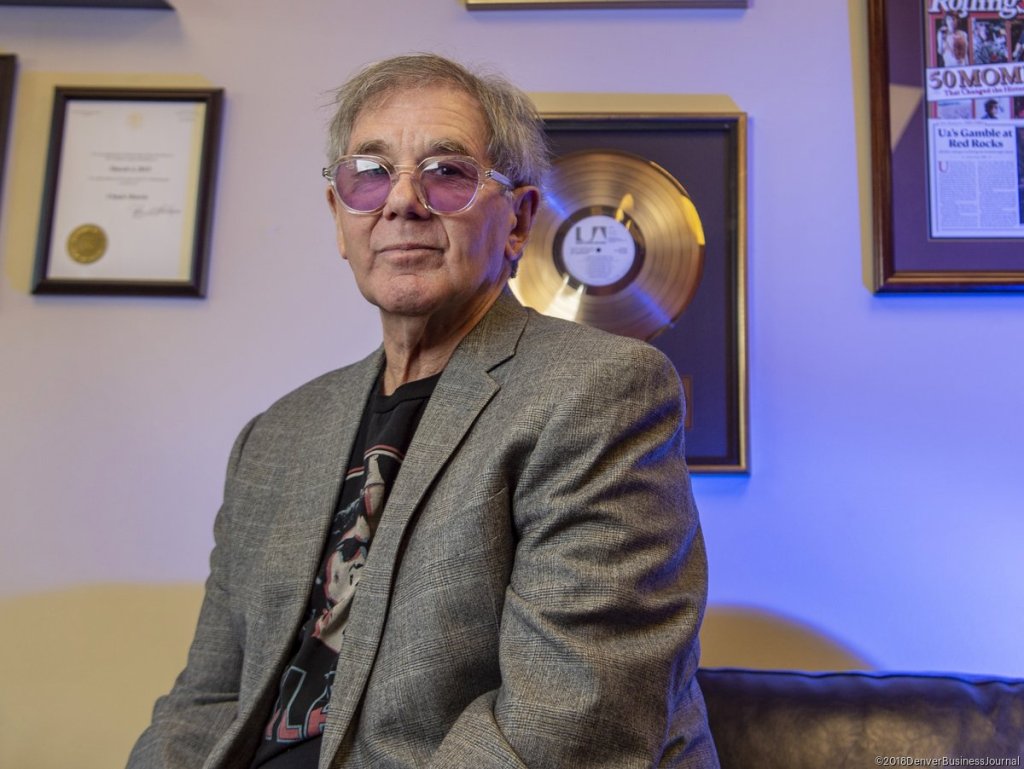
Chuck Morris is happiest when he’s bringing people together.
Even after sixty years of putting on the show, he just can’t stop.
The pillar of Denver’s live music scene has retired nearly four different times as a concert promoter, band manager and club owner. He now heads a music business program at Colorado State University, and hangs around his office across from Mission Ballroom in RiNo when he can.
Now as Chairman Emeritus of AEG Presents, Chuck still plugs in from time to time, catching shows at venues he helped open across Colorado. The call that brought him to live music a lifetime ago is out there echoing.
“It’s a love of music,” Chuck said on a Saturday morning this past winter. “I can still walk in and see a band, whether I ever saw them before or if I don’t know them at all, and my hair stands up. I love that feeling.”
It’s been that way since Chuck was ten years old. He still remembers his first time walking up to a stage one summer in Lake Chautauqua, New York, transfixed.
“It’s the neatest place. That’s where I fell in love with music as a little kid, it’s a legendary place,” Chuck said.
Most live music fans have ‘that’ concert. For Chuck, it was a group of folk players from California –The Kingston Trio. They captured the New York crowd, and sent the inspired kid on his path. Fans still gather annually at Chautauqua for summertime shows in the outdoor amphitheater that’s hosted music since 1920.
Chuck followed that feeling for decades, working to stir other people the same way. He found inspiration in the community that formed each summer by the lake, gluelike live performances holding it all together.
Folk music has always had a direct line to Chuck’s heart. It started with the Kingston Trio performing that day by the water. After college he followed that line through the western plains to Boulder, eventually to Aspen and the Nitty Gritty Dirt Band.
“Well, it’s everybody’s dad’s favorite,” Chuck laughed when asked about 1989’s ‘Will The Circle Be Unbroken: Vol. 2.’
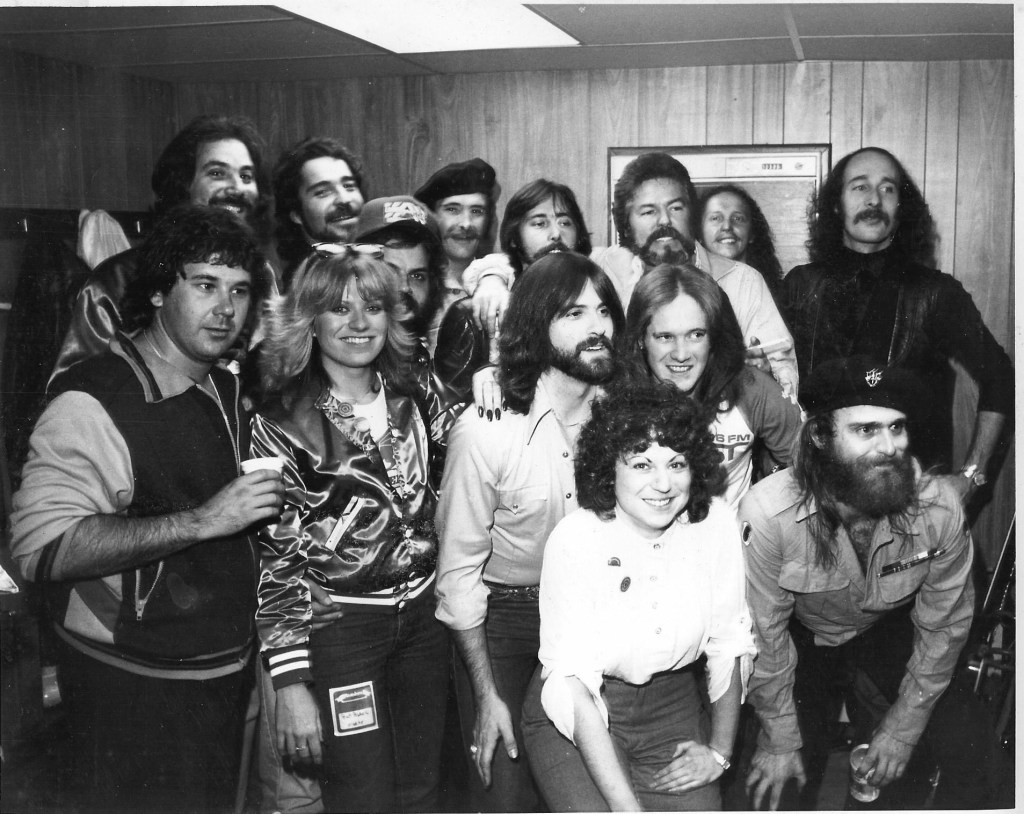
The Grammy-winning album captured a moment where the tradition of the past came crashing into the now. Chuck, who managed the Dirt Band for years and helped illuminate Vol. 2, bridged the musical family between Nashville and Aspen that spawned so many more iterations.
“I’m more proud of helping put that together – and I wasn’t the only one – than anything,” Morris told After Midnight.
Legendary, late friend Bill McEuen, who produced the first ‘Will The Circle Be Unbroken’ album, formally introduced Chuck to his brother John and the rest of the Dirt Band guys in the 1970s. Bill died in 2020, settled in Kona, Hawaii after spending two decades in Aspen.
The Nitty Gritty Dirt Band is a group of California longhair types with a love for American musical tradition. Founded by guitarist Jeff Hanna and drummer Jimmie Fadden in the late 1960s, the NGDB quickly brought on banjo picker John McEuen and his brother Bill as manager. Accordion player and bassist Jimmy Ibbotson solidified the core lineup in 1970. Bob Carpenter later joined on keyboards in the late 1970s, all while other players flowed in and out.
The McEuen brothers came to Aspen in 1971, and their bandmates soon followed from the West Coast. Chuck said he started promoting the band in the mid-1970s on request by Bill while another one of his clients, an up-and-coming comedian named Steve Martin, was blowing up.
The Dirt Band guys had known Steve since high school, and they later backed the comedian on 1978’s ‘King Tut’ under the name ‘Toot Uncommons.’ Steve also played Chuck’s Boulder club Tulagi in 1971, and he opened for the Dirt Band in Aspen years before recording his ‘Wild & Crazy Guy’ album at Red Rocks.
Chuck said when he signed on to manage the Dirt Band, they didn’t expect to do anything bigger than the first Circle. And they’d also begun playing a softer rock style.
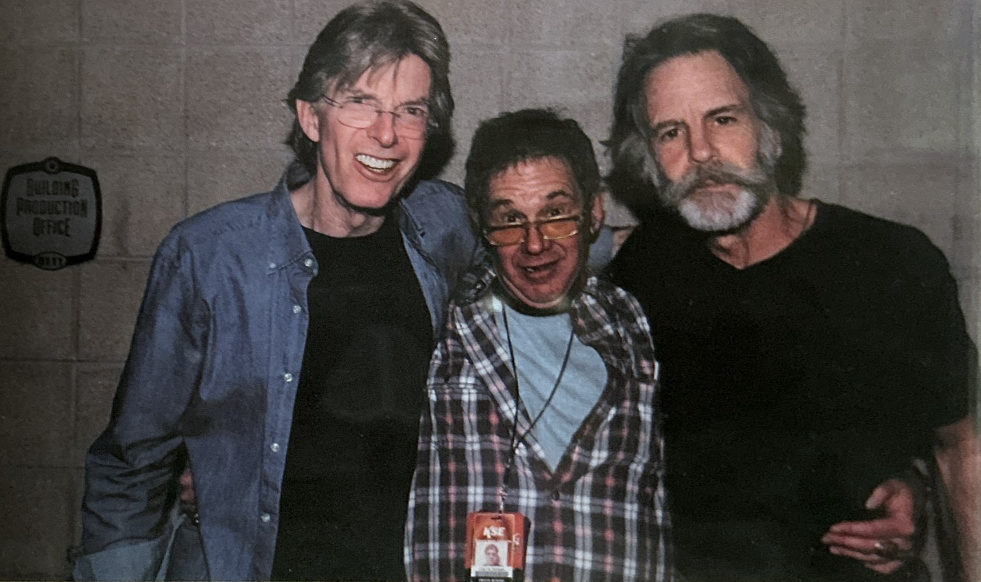
But he had a vision, and his work was laid out for him. It took about a decade, but the band’s revamped identity took shape.
Chuck said his first trick to bring the guys around on a second volume was to lean into a country, honky-tonk style. The Dirt Band made a few albums in the early 1980s rooted in a Nashville sound, and had opened up for Ricky Skaggs and Hank Williams, Jr. on tour.
“We convinced them to do a country deal, rock bands with a fiddle weren’t selling,” Morris said. “The music didn’t change that much, but we just marketed it in the country world. It’s basically the same music.”
They picked up some aspects of country, like Jimmie Fadden playing drums and harmonica at the same time, while sticking to their rock roots. Also, this time in Colorado, the gang used the pristine scenery around them to bring guest players in. They recorded bits of ‘Will the Circle Be Unbroken: Vol. 2’ at a studio inside Bill’s Aspen home looking out at Ajax.
“You know how we got all those people to come in? They loved the Dirt Band. The Dirt Band weren’t like a super group, but they have total respect,” Morris said.
Instead of targeting the “old-time guys” like they did with the first Circle, Chuck said they leaned on friends like John Denver who already lived in Aspen. Vol. II would be about the “second generation of country stars.” Randy Scruggs produced the guest-laden project.
“Circle: Vol. 1 was the first time that a rock band had played with these old time country people, and it became a legendary record,” Morris said.
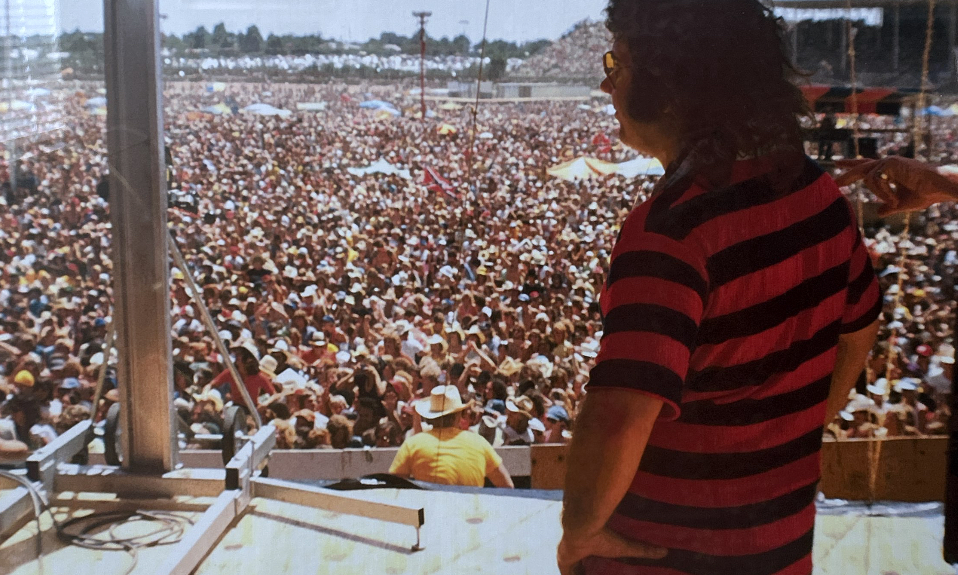
The emerging country sound at the time included names like John Prine, Emmylou Harris, Béla Fleck and John Hiatt – all featured on the second Circle. Songwriters like Levon Helm and Bruce Hornsby, who you still can’t call a country artist, also wanted to be a part of the Dirt Band magic.
These guys could enter the room and quickly meld with the highly talented, family-style players. It didn’t take much practice. Helm sang and played mandolin at times. Hornsby and the Dirt Band laid down an unplanned version of his song ‘The Valley Road’ after a quick chat about what to play.
“I don’t know who said it, maybe Jeff said ‘Let’s just do your song but we’ll do it our way,’ and it won the Grammy for bluegrass track of the year. That’s how that record was recorded, everything was impromptu,” Chuck said.
That’s how the Dirt Band rolled.
‘Will the Circle BeUnbroken: Vol. 2’ won Grammy awards in 1990 for Best Country Performance by a Duo or Group with Vocal, Best Bluegrass Recording for ‘The Valley Road’, and Best Country Collaboration with Vocals for the title track. The album also won Album of the Year at the CMA awards.
Chuck leans in closer, laughing as he tells stories about old friends.
Memories from the nights spent nurturing Colorado’s live music culture float from the likes of Joe Walsh to former Colorado Gov. John Hickenlooper.
“My joke about Hick is that he goes to more shows than most of the AEG staff, and he’s a Senator,” Chuck smiled. “He lives for music, and he’s an unbelievable musicologist, he knows more about music…”
Chuck’s thrown benefit concerts and shows supporting political causes for decades, looking out for the bigger picture. Politics are his “second love,” he says.
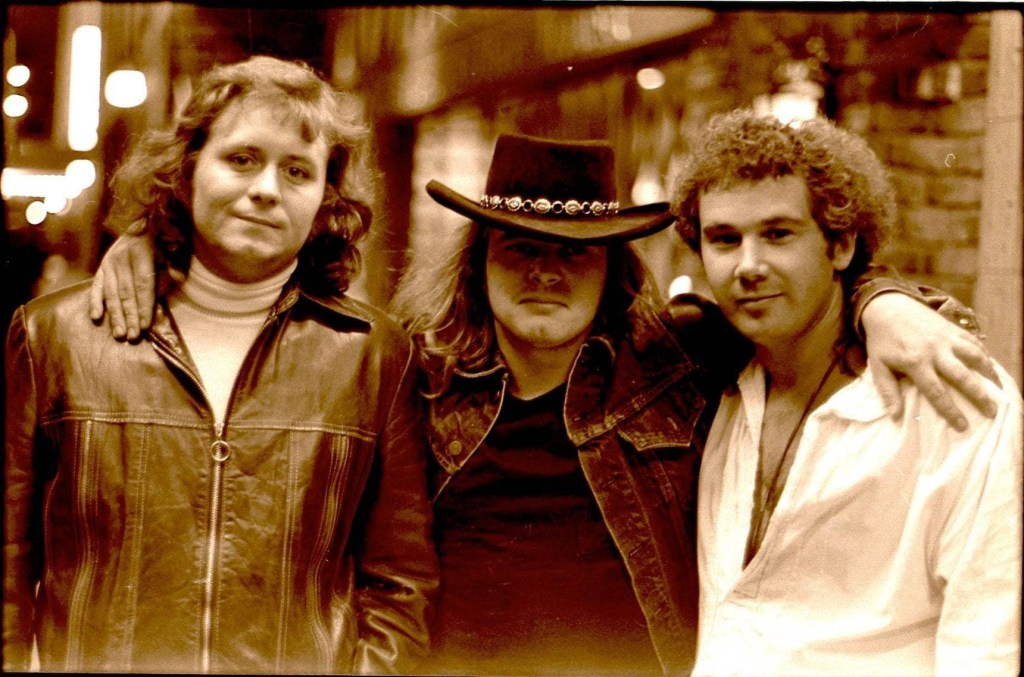
Chuck arrived in Boulder in the mid-‘60s as a phD student in political science. Though it wasn’t long before he set off full-speed after his first love. He’s always been a people person, with a knack for gathering humans who think the same way.
“I’ve been very lucky,” Chuck said. “When I dropped out of graduate school to make it in the music business, I never thought I would.”
Chuck and Boulder meshed easily, though. They just fit. He made friends quickly, and tapped into the music community budding in places like The Sink. In 1968, Chuck became general manager of the historic pizza joint with a stage upstairs.
It was at The Sink where Chuck worked his gift for booking uber-talented musicians early along their road to legend. He brought names like Tommy Bolin and the Eagles to The Sink and next-door venue Tualgi, bought by Sink owners in 1972.
In the mid-1970’s, Chuck joined forces with big-time Denver concert promoter Barry Fey. Fey, an innovator and music legend who passed in 2013, had founded Feyline Presents a few years prior in 1967. Chuck came on board at first to handle booking and promotion.
“I wasn’t the only guy who was responsible for music exploding around here, I was one of a bunch of people that helped develop the music scene,” Chuck said.
The Feyline Presents team helped grow Red Rocks to its nationwide stature through the ‘70s. In June 1983, they brought U2 to the iconic amphitheatre in Morrison for the band’s ‘Under a Blood Red Sky’ show. Chuck remembers another night waiting on the venue’s back entrance for a tardy, headlining Willie Nelson, who arrived speeding and burning with a trail of police cruisers coming up the hill.

After his time with Feyline Presents ended with Barry’s retirement, Chuck teamed up with friends Don Strasburg and Brent Fedrizzi to further the mission of West Coast music promoters in Denver. The trio launched Bill Graham Presents/Chuck Morris Presents in 1998 after years of making live music happen across the state. That company became Live Nation, before the trio left to form AEG Live. In 2007, Chuck became the president-CEO of AEG Presents Rocky Mountains.
Old friends, Strasburg and Fedrizzi have helped carry on the work in Colorado begun by pioneers like Chuck. Strasburg is now President of AEG Rocky Mountains, and Fedrizzi serves as President of AEG North America.
“Between Don and Brent and myself we have 100 years of friendships. You can’t beat it,” Chuck said.
These days, Chuck lends his experience to a few hundred students in Fort Collins every semester at Colorado State University. He said he sort of always saw a second career for himself on a university campus.
“My father was a schoolteacher in Brooklyn where I grew up,” Morris said. “I grew up around his friends who were principals and teachers. I always had a great respect for educators.”
Chuck learned the ways of music promotion from mentors like Barry Fey and Bill Graham, by jumping in the deep end head-first. Now as director of the music business program at CSU he wants to provide a direct line, and a structured education, on joining the industry.
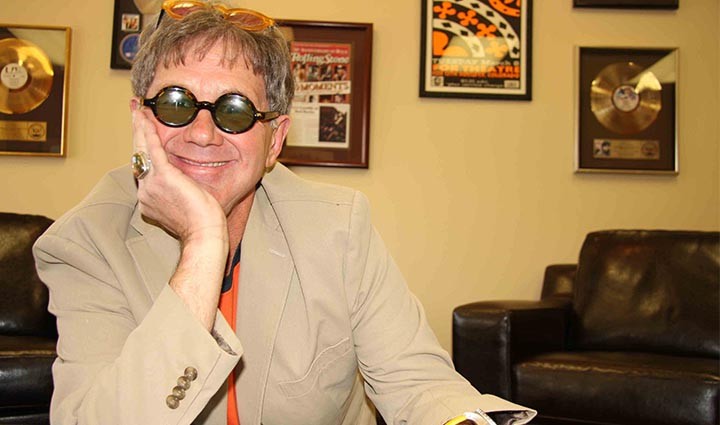
“When I started in the business in the ‘70s, there was not one school in the country that had a music business program,” Chuck said.
CSU formally introduced the Music Business program four years ago with Chuck as guide. He helps hire other teachers, set curriculums, and brings in guest lecturers like Bill Nershi and GriZ.
Chuck said the program grew from one class of 35 students to now four full classes with nearly 375 seats. Nearly sixty years into his career, Chuck said he’s still amazed at the live music community across Colorado. He’s also still learning new lessons he can pass onto a new generation of music lovers.
Grinning, Chuck told us his classes nowadays regularly “sell out.”


 After Midnight
Leave a comment